
Hospital to Home Transition Services
Safe, Organized Support After a Hospital Stay
Hospital to home transition services focus on helping patients move safely from a hospital or rehabilitation facility back into their home environment. During this time, patients may face new medications, physical limitations, follow-up appointments, and changes in daily routines.
Without support, these changes can lead to confusion, missed medications, or even hospital readmission.
Through professional care management, VibrantHealth Homecare organizes the recovery process so that every step is clear and manageable.
Hospital to home transition services often include:
- Coordination with hospital discharge planners
- Reviewing discharge instructions
- Medication reminders and monitoring
- Assistance with daily activities during recovery
- Transportation to follow-up appointments
- Communication with physicians and therapists
- Home safety evaluation
This level of geriatric care management helps ensure that patients and families understand what needs to happen next and who is responsible for each part of the care plan.
Why the Hospital Discharge Period Matters
Studies across the healthcare system show that many hospital readmissions happen within the first 30 days after discharge. This often occurs because patients struggle with medication changes, new symptoms, or limited mobility.
The transition home can feel overwhelming. Families may suddenly become responsible for tasks that were previously handled by hospital staff.
Through elder care management, VibrantHealth Homecare helps bridge that gap.
Support during the transition period can help with:
- Reducing confusion about medications
- Monitoring symptoms that require medical attention
- Maintaining proper nutrition and hydration
- Preventing falls and injuries
- Helping patients follow recovery instructions
A structured recovery plan allows patients to focus on healing rather than worrying about logistics.
VibrantHealth Homecare provides Hospital to Home Transition Services in Tacoma, University Place, Spanaway, Fircrest, Lakewood, Milton, Fife, Edgewood, Puyallup, Bonnie Lake, and surrounding areas in Washington.
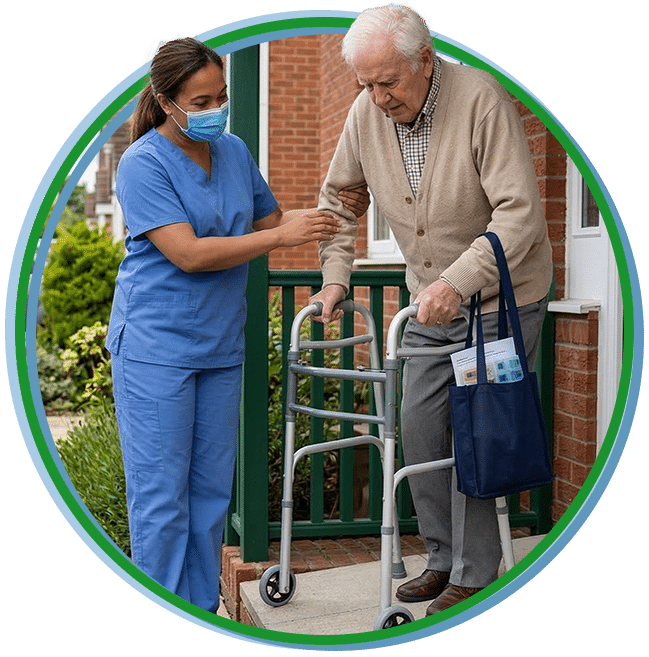
Who Benefits from Hospital to Home Transition Services
Hospital to home transition services are helpful for many individuals, especially those facing more complex recovery needs.
People who often benefit from care management during this stage include:
- Seniors recovering from surgery
- Patients discharged after a serious illness
- Individuals with multiple medical conditions
- People living alone after hospitalization
- Families who live far away from their loved one
- Patients recovering from strokes, fractures, or heart conditions
For older adults, geriatric care management becomes especially valuable. Seniors may have multiple medications, ongoing therapies, and follow-up care appointments that require careful organization.
VibrantHealth Homecare helps bring clarity to that process.

Preventing Hospital Readmission
One of the major goals of hospital to home transition services is preventing unnecessary hospital readmissions.
Several factors can lead to readmission:
- Medication errors
- Lack of follow-up care
- Falls or injuries at home
- Unrecognized symptoms
- Poor nutrition or hydration
Professional care management provides a structured approach that helps identify potential concerns early.
By monitoring recovery closely and maintaining communication with healthcare providers, VibrantHealth Homecare helps patients stay safely at home while they heal.
Supporting Families During Recovery
Families often carry a large amount of responsibility during the hospital discharge period. Many family caregivers suddenly become responsible for transportation, medication routines, and daily care tasks.
This can be stressful, especially for those balancing work, children, and other responsibilities.
Through elder care management, VibrantHealth Homecare helps families by:
- Providing clear guidance about care needs
- Assisting with daily caregiving tasks
- Offering regular updates on recovery progress
- Helping families understand medical instructions
Having a structured support system allows family members to focus on spending meaningful time with their loved one rather than managing every detail of care.
Why Families Trust VibrantHealth Homecare
Recovery after a hospital stay requires more than good intentions. It requires organization, communication, and compassion.
VibrantHealth Homecare approaches hospital to home transitions through a combination of care management, geriatric care management, and hands-on homecare support.
Our team understands that every recovery journey is different. We take time to learn about the patient, their health needs, and the support system around them.
With the right structure and support in place, patients can recover at home with confidence while families gain peace of mind knowing that every detail of care is being handled thoughtfully.
Our Hospital to Home Transition Process
Every recovery journey is different. VibrantHealth Homecare follows a structured process to support patients and families during this important stage.
Pre-Discharge Planning
Whenever possible, planning begins before the patient leaves the hospital. Our team works with families and medical providers to understand the discharge instructions and care requirements.
This stage may include:
- Reviewing hospital discharge paperwork
- Understanding medication changes
- Planning transportation home
- Preparing the home environment for safety
Early preparation helps prevent confusion on the first day back home.
Home Safety Assessment
Returning home after a hospital stay sometimes reveals challenges that were not present before. Mobility changes or weakness can make everyday tasks harder.
Our care management team evaluates the home environment for safety risks and helps families make adjustments such as:
- Removing fall hazards
- Rearranging furniture for easier movement
- Adding safety equipment if needed
- Improving lighting and accessibility
These small changes can reduce the risk of injury during recovery.
Medication Support
Medication management is one of the most common challenges after hospital discharge. Prescriptions may change quickly during hospitalization, and patients often leave with new medications.
Our elder care management approach helps patients stay organized by:
- Reviewing medication instructions
- Providing reminders and support
- Monitoring for side effects or concerns
- Communicating questions to healthcare providers
Clear medication routines help support a smoother recovery.
Daily Living Assistance
Recovery can make basic tasks more difficult for a short time. VibrantHealth Homecare caregivers assist with daily activities while the patient regains strength.
Support may include:
- Meal preparation
- Light housekeeping
- Personal care assistance
- Mobility support
- Transportation to follow-up appointments
These services allow patients to focus on healing while maintaining comfort at home.
Ongoing Care Coordination
Recovery does not stop after the first week home. Follow-up appointments, therapy sessions, and physician visits are often required.
Through geriatric care management, our team helps keep everything organized by:
- Tracking appointments
- Communicating with healthcare providers
- Updating family members on progress
- Adjusting care plans as recovery continues
Care coordination ensures that no important step is missed.
Frequently Asked Questions About Hospital to Home Transition Services
Hospital to home transition services help patients safely return home after a hospital stay. These services provide structured support during recovery, including care coordination, medication guidance, follow-up appointment planning, and help with daily activities. Care management ensures that discharge instructions are followed and that the recovery process stays organized.
Hospital to home support should begin as soon as the patient returns home. The first few days after discharge are often the most sensitive period for recovery. Starting care management immediately helps ensure medications are taken correctly, follow-up appointments are scheduled, and any new symptoms are addressed quickly.
Hospital to home transition services are commonly used by seniors, individuals recovering from surgery, and patients managing chronic health conditions. People who live alone, have limited mobility, or require complex medication routines often benefit from elder care management during recovery.
Yes. Care management during the recovery period can reduce the risk of hospital readmission. By monitoring symptoms, assisting with medications, coordinating follow-up care, and supporting daily routines, geriatric care management helps patients stay stable while they recover at home.
A hospital discharge care plan often includes medication instructions, activity limitations, follow-up appointments, therapy recommendations, and dietary guidance. Care management professionals help patients and families understand these instructions and ensure the plan is followed correctly during the transition from hospital to home.